Seasonal Pricing for Short-Term Rentals: Setting Rates Through the Year

One price all year means you lose money in busy seasons and lose bookings in quiet ones. Seasonal pricing means your unit's price moves with demand, and it is one of the easiest ways to raise revenue without changing the unit itself.
Understand the demand seasons in your area
Start by identifying when demand rises or falls:
- School holidays, festivals and public holidays.
- Tourist seasons: summer or winter depending on your destination.
- Events: exhibitions, conferences, matches and concerts in your city.
- Weekends versus weekdays.
- Quiet periods when travel slows.
Build a simple price structure
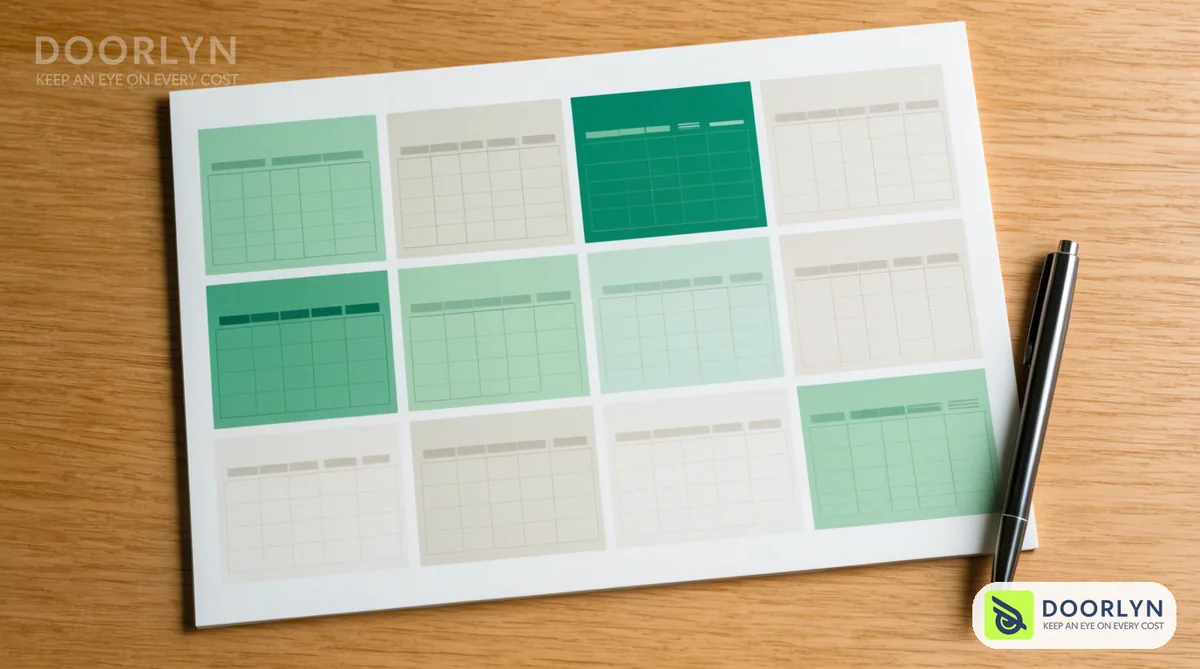
- A base price for ordinary weekdays.
- A weekend uplift if demand is higher.
- A peak price for seasons, holidays and events.
- A reduced price for quiet periods so the unit does not sit empty.
Start with simple percentages and adjust according to what your bookings tell you. There is no single correct percentage for everyone.
Use minimum stays
- In peak periods ask for longer stays, which cuts cleaning and raises revenue.
- In quiet periods lower the minimum to attract short stays.
- Avoid leaving a lone single night between two bookings since it is hard to sell. You can lower the minimum for it.
Weekly and monthly discounts
A fair discount for long stays fills quiet periods and lowers cleaning cost per night. Calculate profit after the discount so it does not turn into a loss, and read how to work out net profit after expenses and commissions.
Watch the market and adjust
- Compare your prices with similar units in the same area.
- If your unit gets booked far ahead, your price may be too low.
- If near dates stay empty, lower the price or the minimum stay.

Do not forget to update every platform
Changing the price on one platform and leaving the rest creates inconsistent prices. Use a tool that changes the price from one place so it reaches the connected platforms, as explained in channel manager vs PMS.
How Doorlyn helps
In Doorlyn you manage your units' prices and calendar in one place, so changes reach the connected platforms instead of being edited platform by platform. You can try it free.
Frequently asked questions
How often should I change prices?
Define your seasons in advance once or twice a year, and review prices monthly or when new events appear.
Do discounts hurt my listing ranking?
Long-stay discounts are common and do not hurt by themselves, but check each platform's terms and make sure profit stays worthwhile after the discount.
Should I use the same price on every platform?
It is usually better, to avoid confusion, but each platform's commission differs, so check the net profit on each.